
- Posted on
How Porcelain Veneers Blend With Natural Enamel Under Light
- Author
-
-

- User
- jonathanbarrett
- Posts by this author
-
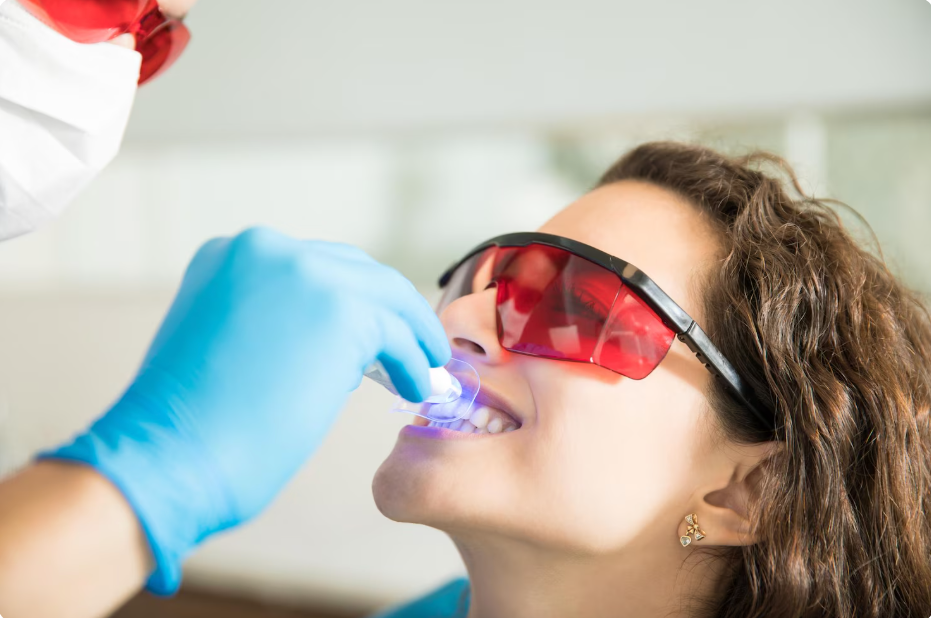
Porcelain veneers are popular for their ability to mimic the look of natural enamel, especially under different lighting conditions. One of the strongest advantages of porcelain is how it interacts with light just like a real tooth. When veneers are crafted correctly, they blend so smoothly with your natural enamel that even close-up photos or bright lighting won’t reveal the difference. This light-handling ability is a major reason why veneers remain the gold standard for cosmetic smile enhancement.
The Role of Translucency in Natural-Looking Veneers
Real enamel has a translucent quality. It allows some light to pass through while reflecting the rest. Porcelain veneers are engineered to imitate this exact behavior. High-quality porcelain is slightly translucent, meaning it doesn’t block light entirely. Instead, it lets light travel through its layers, just like enamel. This prevents the veneer from appearing flat or overly white. Instead, it takes on depth, dimension, and a gentle glow that looks organic rather than artificial.
Dentists and dental technicians use layered porcelain techniques to achieve this effect. Each ultrathin layer contributes to a natural buildup similar to the natural layering of enamel over dentine. This structure ensures that the veneer catches light in a lifelike way, whether you’re standing in sunlight, indoor lighting, or even under a camera flash.
Surface Texture and Light Reflection
A veneer’s surface also impacts how it interacts with light. Natural enamel isn’t perfectly smooth; it has microscopic ridges and texture that influence how light bounces off the tooth. Porcelain veneers recreate this microtexture through careful polishing and contouring. This helps light reflect in a soft, diffused manner, rather than glaring brightly or looking glossy in an unnatural way.
Even subtle details like how the edges of the veneer are thinned or how the surface is shaped affect its ability to blend. When the surface reflection matches your natural enamel, the veneered teeth look completely integrated into your smile.
Shade Matching and Light Behaviour
Not all teeth reflect light the same way. That’s why dentists carefully select the shade and translucency of veneers based on your natural teeth. Instead of simply choosing a colour, they evaluate how your existing enamel responds to light. This includes:
How bright or warm your natural teeth appear.
Whether your enamel leans cooler (more bluish) or warmer (more yellow).
How much light your enamel absorbs versus reflects.
Whether you have variations in brightness from tooth to tooth.
With this information, the dentist chooses a porcelain shade that not only matches in colour but also in light absorption and reflection. This ensures your veneers look harmonious rather than standing out.
The Impact of Tooth Preparation
To achieve a seamless light blend, the tooth underneath must be prepared correctly. Minimal reduction allows the veneer to sit close to the enamel, preventing shadows or uneven light diffusion. If the veneer is too thick, light won't pass through naturally, causing the tooth to look bulky or opaque. When preparation is done with precision, the veneer’s translucency works together with the underlying tooth structure to create a natural brightness and depth.
How Veneers Stay Natural in Different Lighting
One of the biggest tests for veneers is how they look in various lighting conditions: sunlight, indoor lights, LED bulbs, or photography lighting. Well-made porcelain veneers maintain their natural appearance under all circumstances. Because they scatter light the same way enamel does, they avoid the overly bright “glow” that some cosmetic dental materials produce under flash photography.
Conclusion
Porcelain veneers are able to blend seamlessly with natural enamel because they’re crafted to behave like real teeth under light. Their translucency, texture, layered structure, and shade matching all contribute to an appearance that remains natural in every lighting environment. When designed with precision, veneers enhance your smile without ever revealing where the natural tooth ends and the porcelain begins.